How AI band scoring works (and how accurate it is)
IELTS specialists — MUIC & Chulalongkorn University alumni, IELTS Speaking Band 9, trained via IDP IELTS teacher courses.
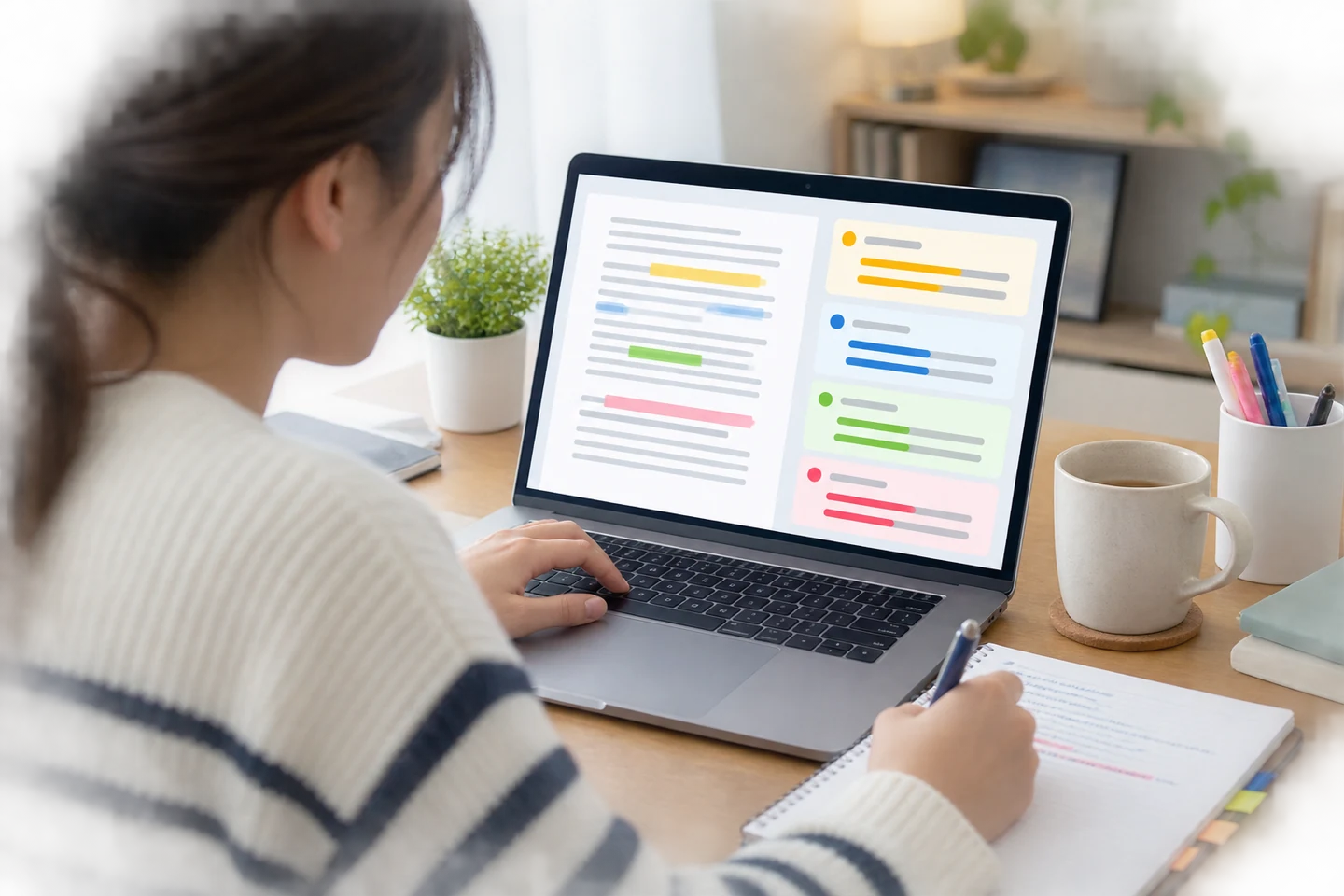
AI band scoring works by comparing your Writing or Speaking response against the official IELTS band descriptors for each criterion, then returning a band plus specific feedback. It's fast, consistent and great for targeted practice, but it can't fully assess live pronunciation from text and should be treated as a strong guide rather than an official result.
What it does
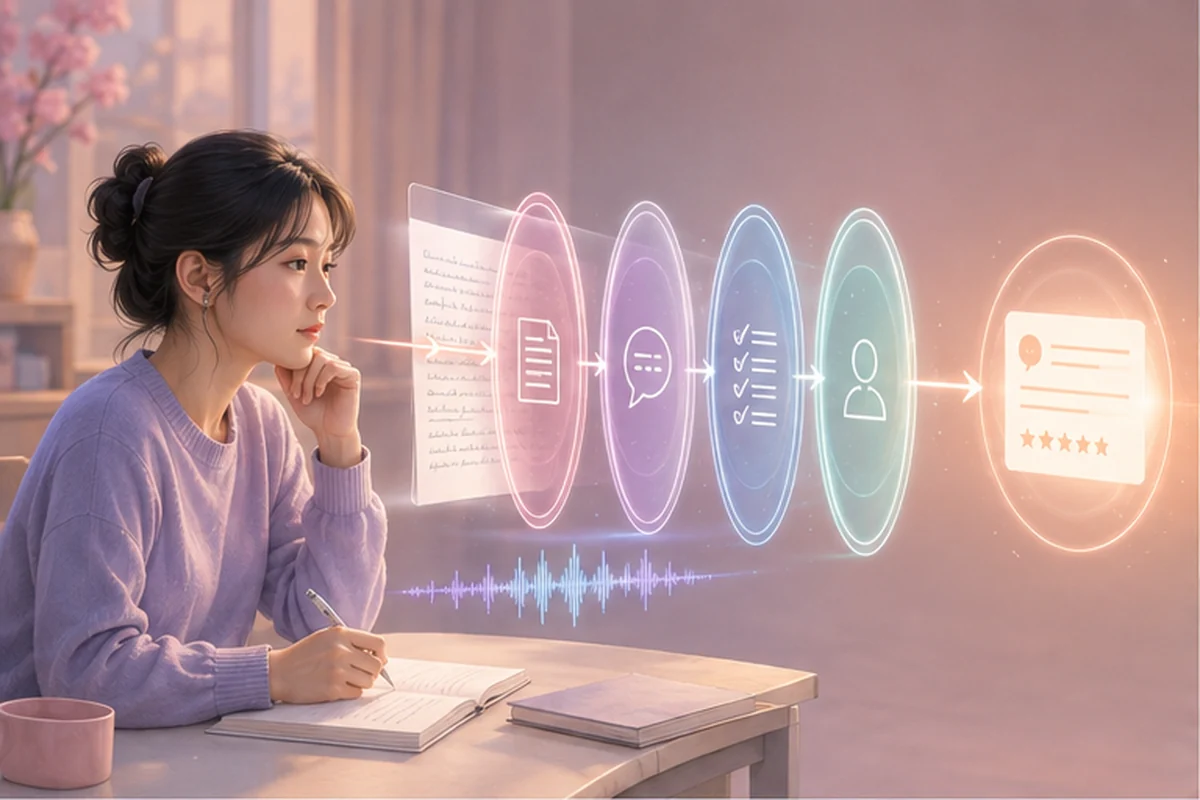
A well-built scorer is grounded in the official descriptors for Task Response, Coherence & Cohesion, Lexical Resource and Grammar (and the Speaking equivalents). It scores each criterion independently, then averages them — exactly like a human examiner's process — and points to specific sentences to fix.
Where it's strong — and where it isn't
- Strong: instant, consistent feedback, sentence-level corrections, and unlimited practice.
- Strong: spotting vocabulary, grammar and coherence issues you'd miss yourself.
- Weaker: judging live pronunciation from a transcript; subtle task nuance at the very top bands.
How to use it to improve fastest
Score an attempt, read the per-criterion feedback, rewrite the weakest paragraph using the suggestions, then re-score. The rewrite-and-recheck loop is where the band actually moves — far more than writing new essays you never review.
Frequently asked questions
How accurate is AI IELTS scoring?
Good AI scorers are within about half a band of human examiners for most responses, and most accurate below band 7.5; treat them as a guide, not an official result.
Can AI score my speaking?
Yes, from a transcript — fluency, vocabulary and grammar score well; pronunciation can only be estimated from text.
Is AI feedback better than a teacher?
It's faster and available 24/7 for targeted practice; a great teacher adds nuance. Used together they're strongest.
Turn the guide into a concrete study plan with free practice, mock tasks and instant feedback.
Trusted by 3,000+ students nationwide · free to start, no card needed